GREEK ISLAND PROTOTYPE

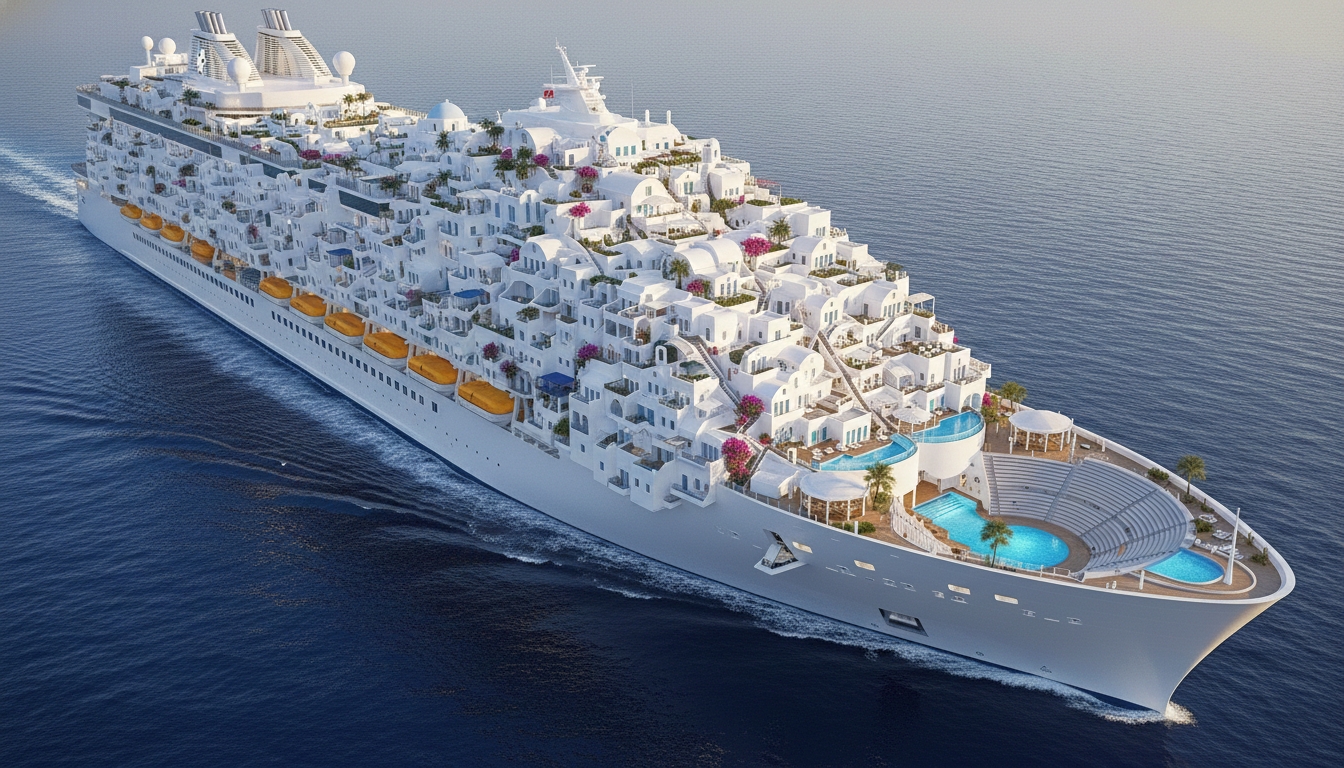
Mediterranean Village at Sea — Cultural Cruise Ship Prototype


Strategic Premise

The Greek Island Prototype redefines the large cruise vessel as a moving Mediterranean settlement rather than a floating building block. Instead of long, repetitive corridors and monolithic public areas, the ship is conceived as a continuous fabric of streets, squares, terraces, thresholds and quiet corners, structured in human scale.

Drawing from town-planning analyses of Cycladic architecture, the prototype responds to the criticisms often addressed to very large ships—lack of charm, sense of mass, feeling of being trapped inside—by transforming the vessel into a small town filled with surprises, where it is enjoyable to live from a few days to several weeks.


Architectural Framework — Cycladic Principles

The prototype is structured on six principles derived from traditional Cycladic settlements, adapted to 21st century cruise architecture.

1. Signification

The plan is charged with layered meaning. The vessel is not a simple diagram but a complex, legible fabric of streets, squares and terraces. Guests discover the ship progressively, through suggestion and partial revelation, as in a real island village.


2. Dynamism

Static, straight corridors are replaced by broken lines and curves. Oblique and elliptic trajectories introduce emotional movement into circulation, turning transit into a dynamic sequence of approaches, turns and reveals.


3. Expression

Common spaces are organized around the concept of the square. Instead of anonymous halls, the ship offers a sequence of “rooms of the city”: plazas, widened nodes, stepped terraces and intimate corners where social life naturally concentrates.


4. Energy

Monolithic volumes are broken down into many smaller volumes, creating a plurality of perspectives and relationships. Unity emerges from the coherence of articulated parts, giving the ship a sense of life rather than inert mass.


5. Fusion

Interior and exterior are intentionally blurred. Stairs, arcades, balconies and loggias create a continuous negotiation between shade and light, enclosure and openness, architecture and sea.


6. Sensualism & Brilliancy

Volumes are given a sensual grace; white acts as a veil of suggestion and purity, with precise accents of color. Light is treated as a primary material, flooding the architecture and saturating it with reflections and shadows, like a Cycladic village at noon or dusk.


Interior Architecture — Mediterranean Experiential Logic

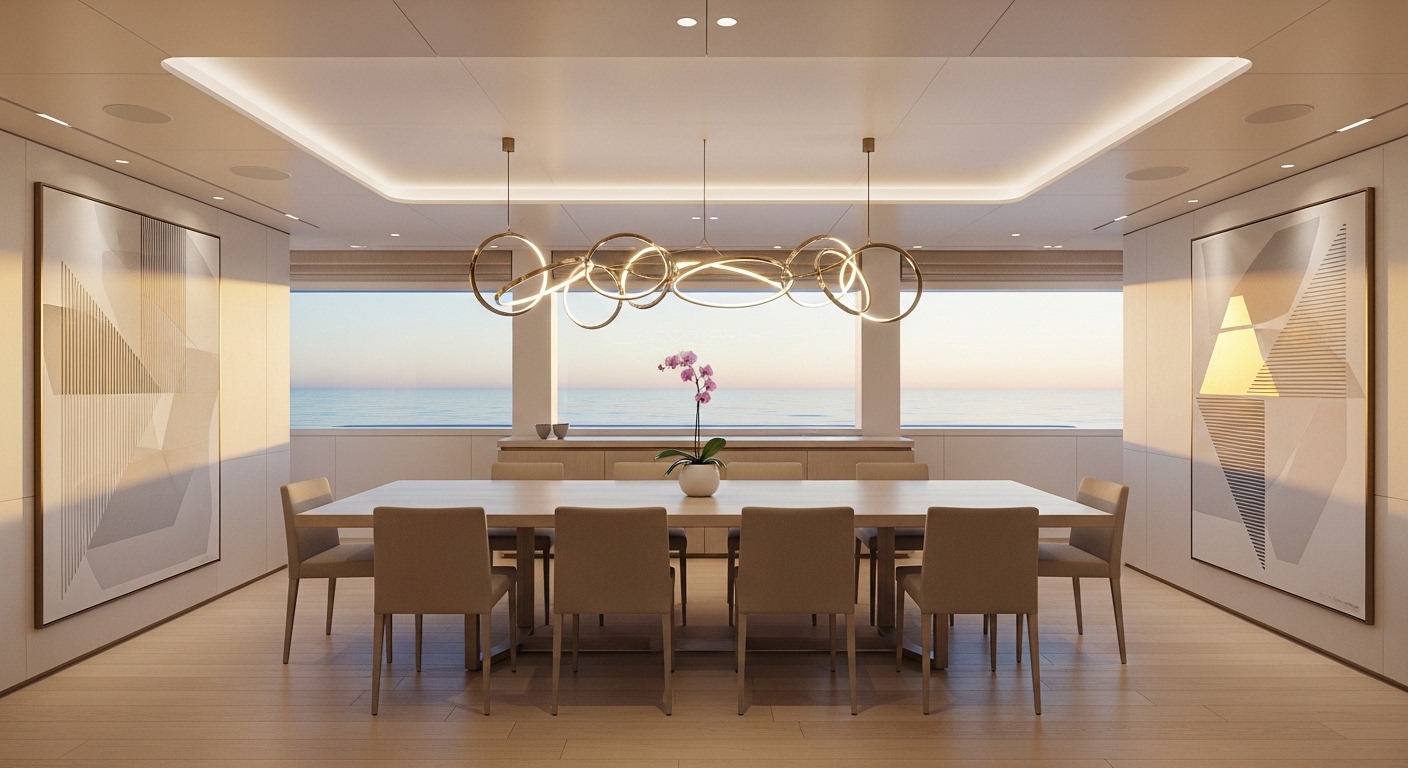
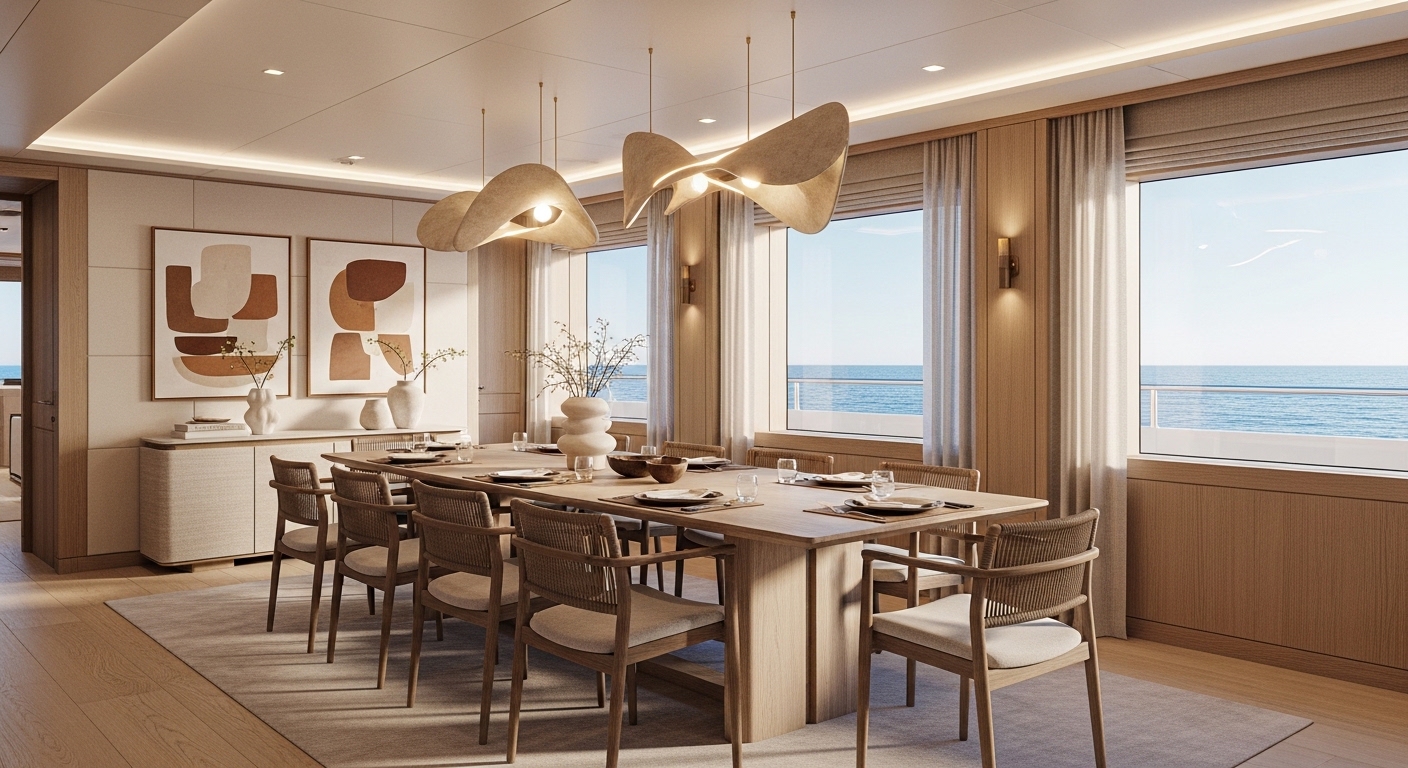
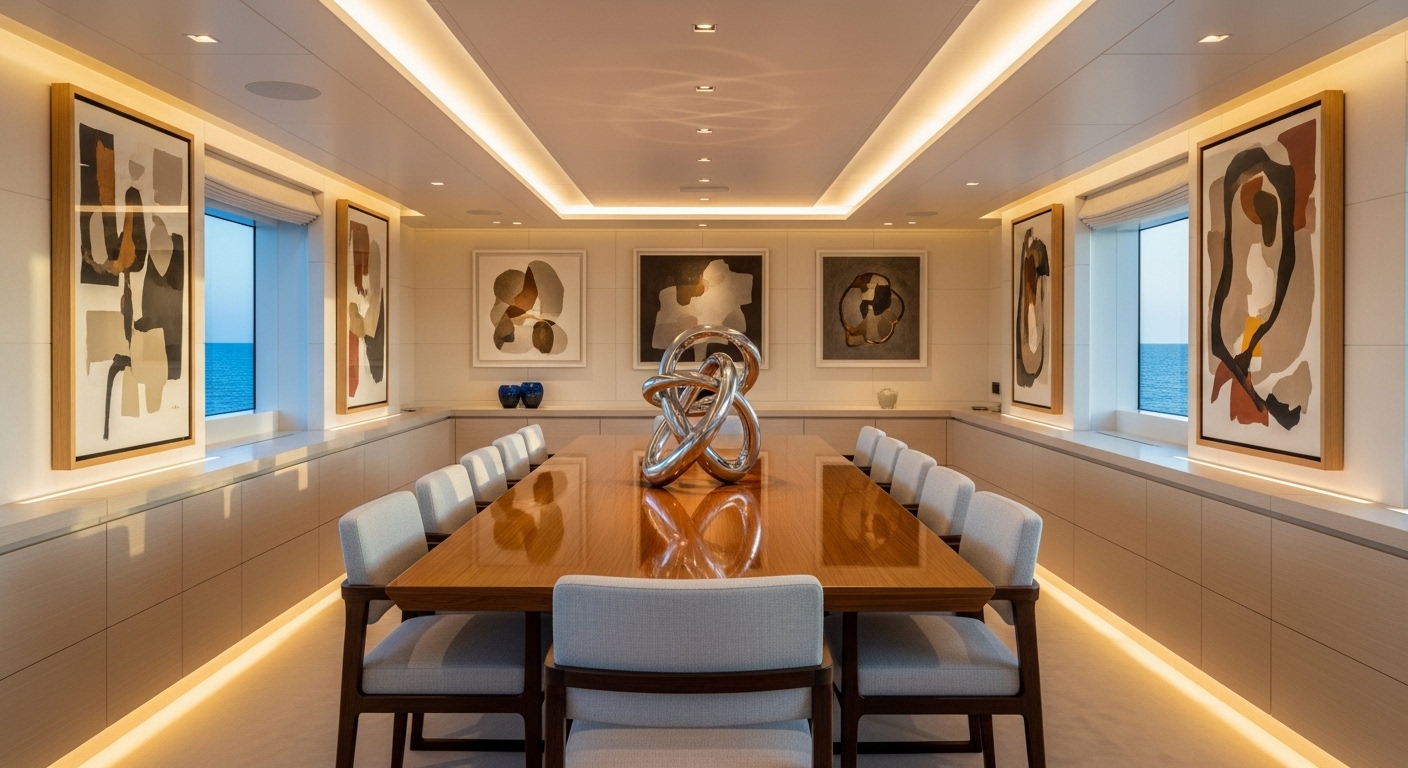
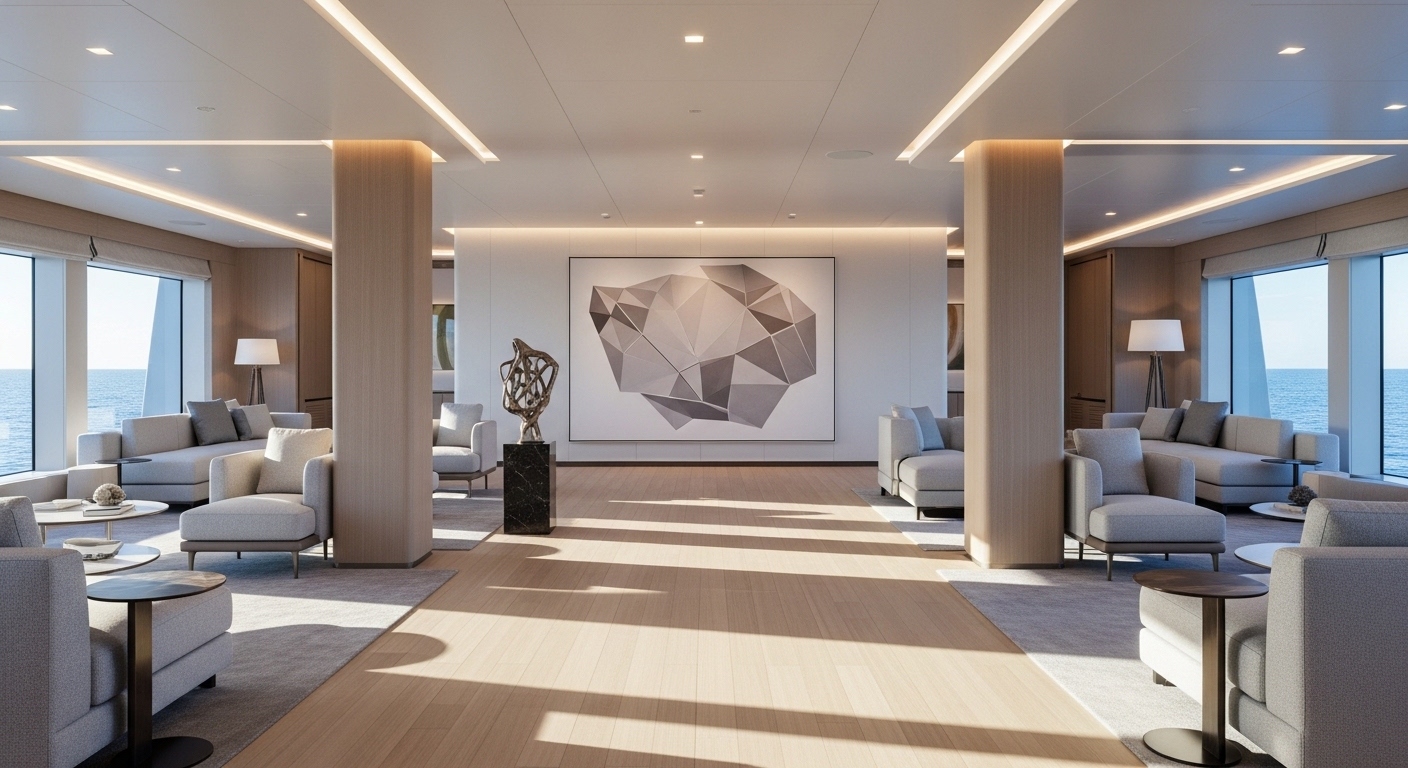
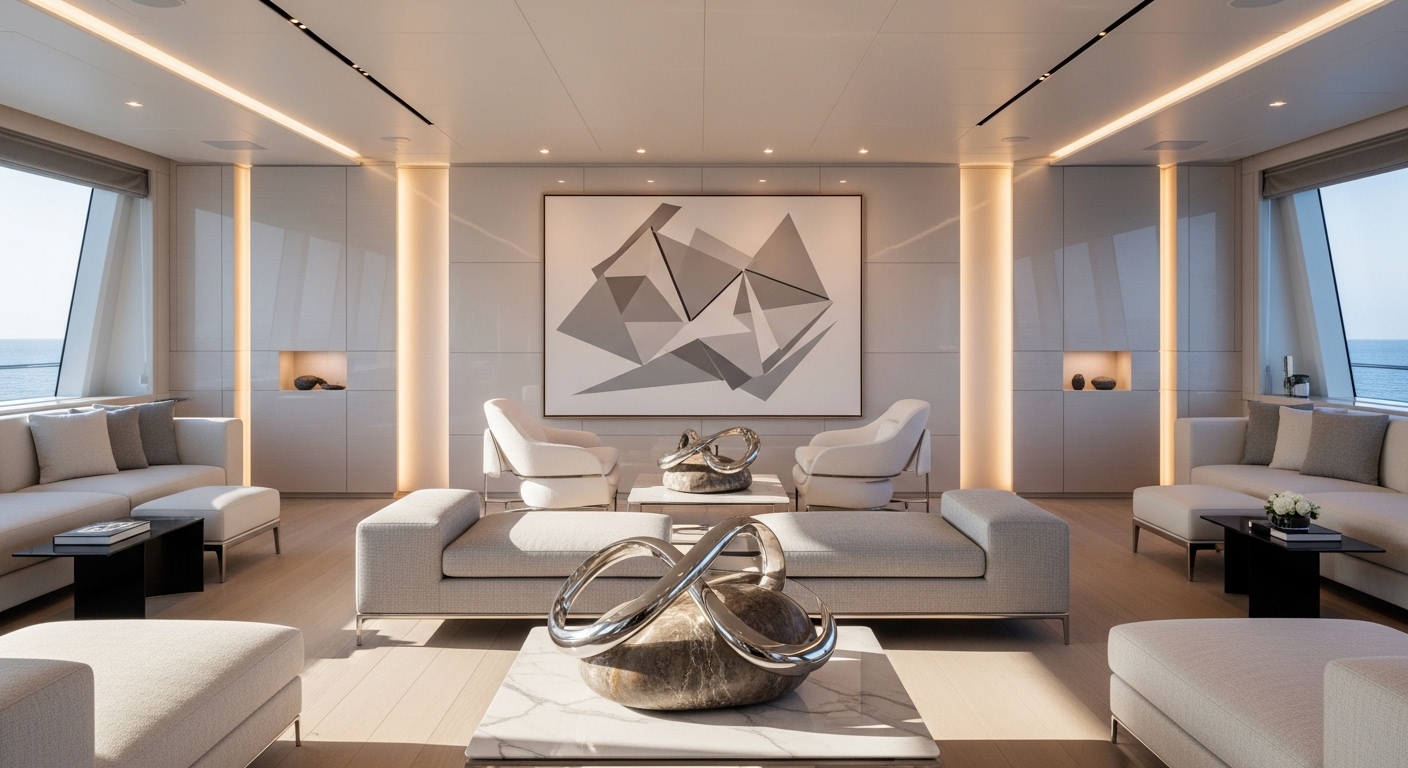
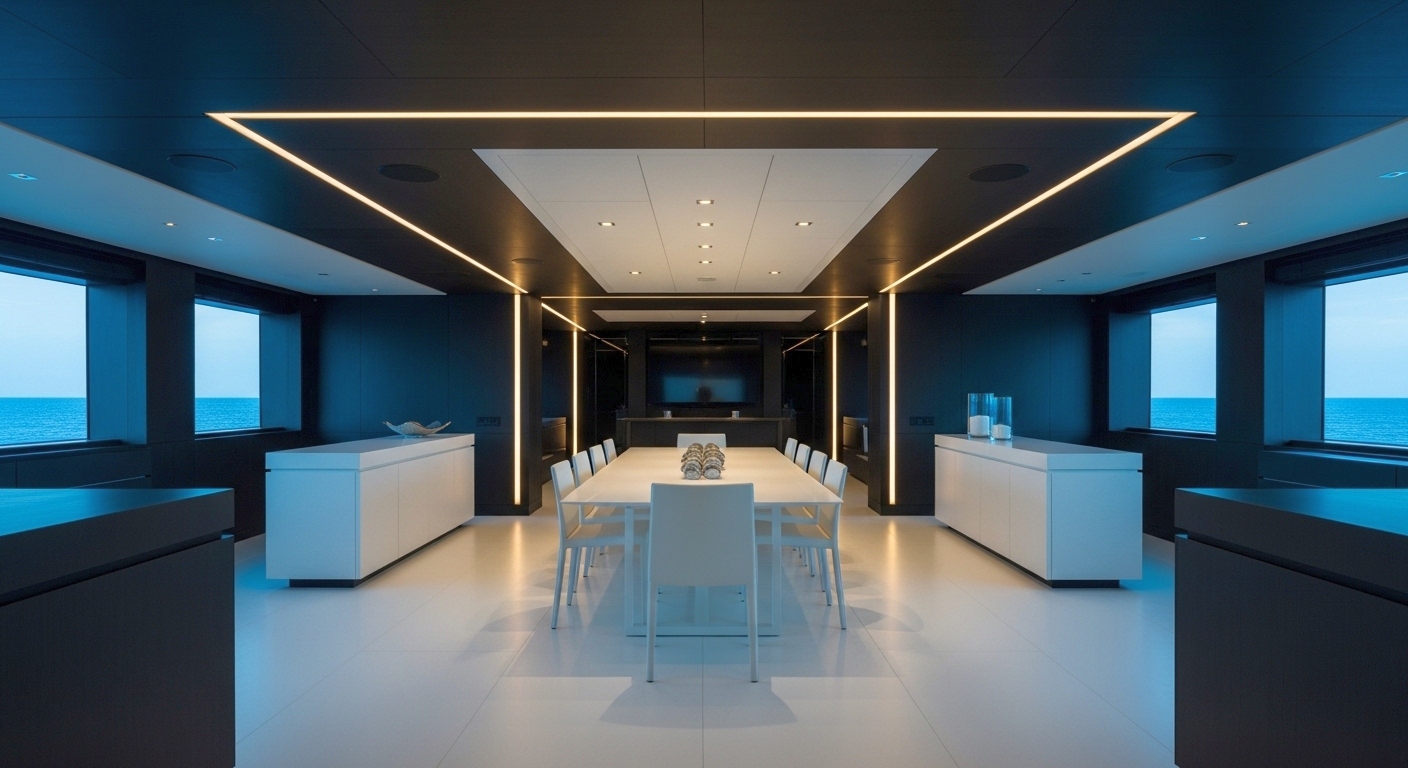
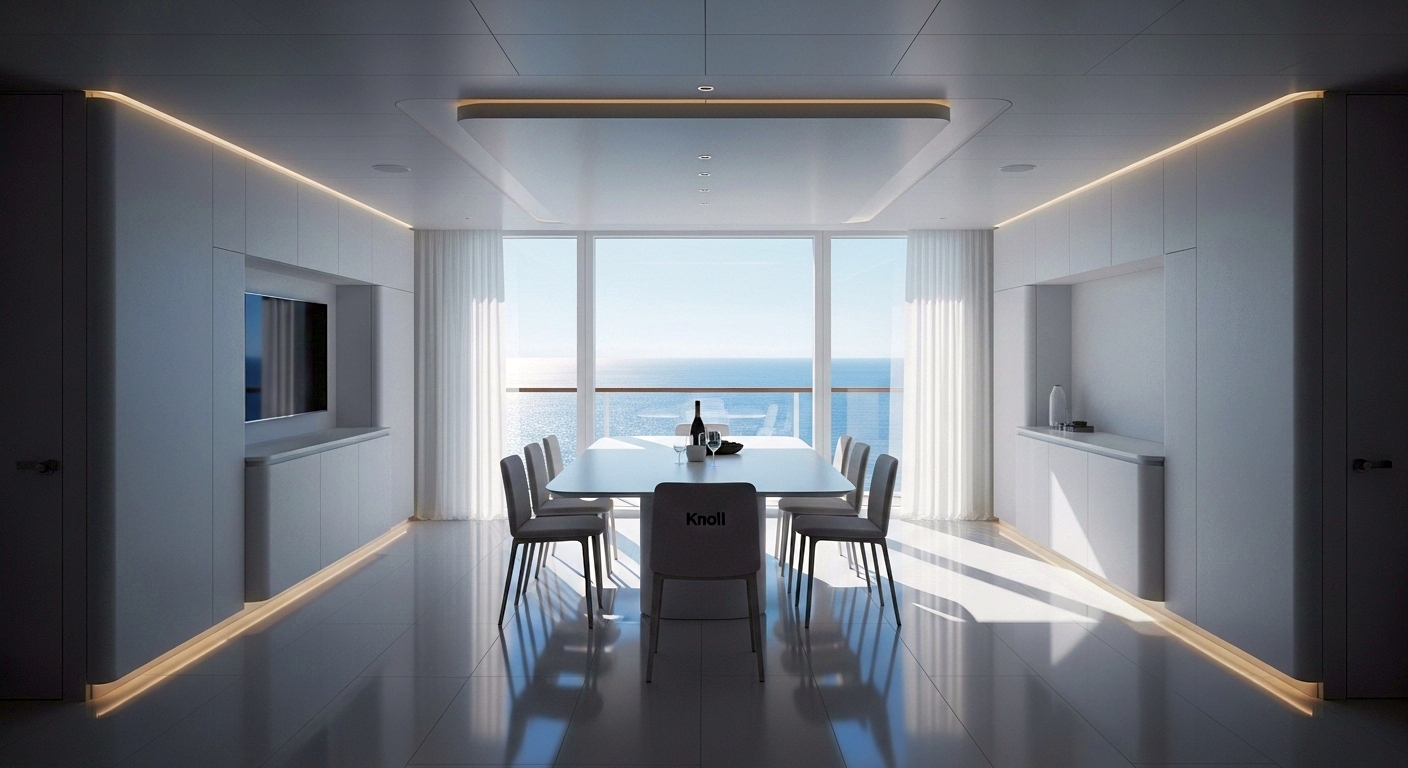
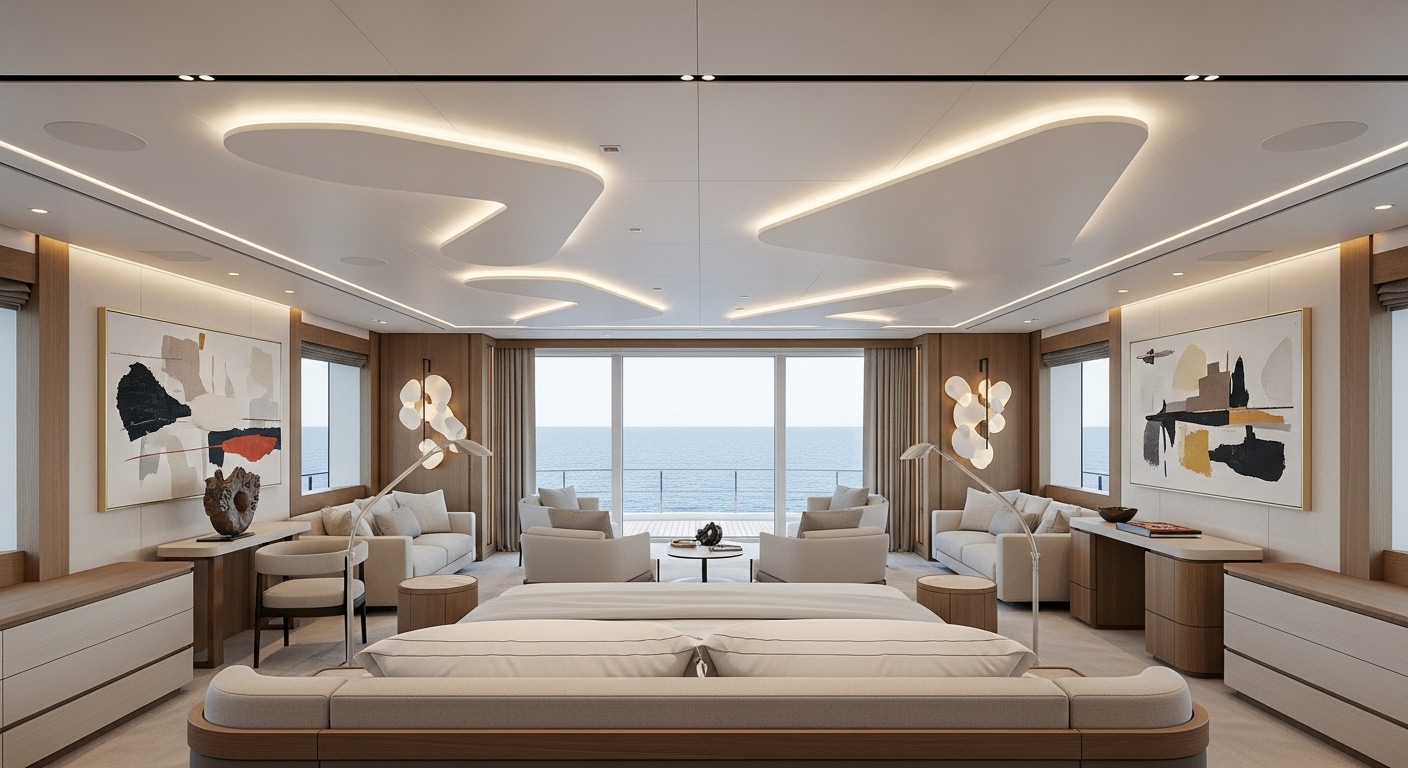
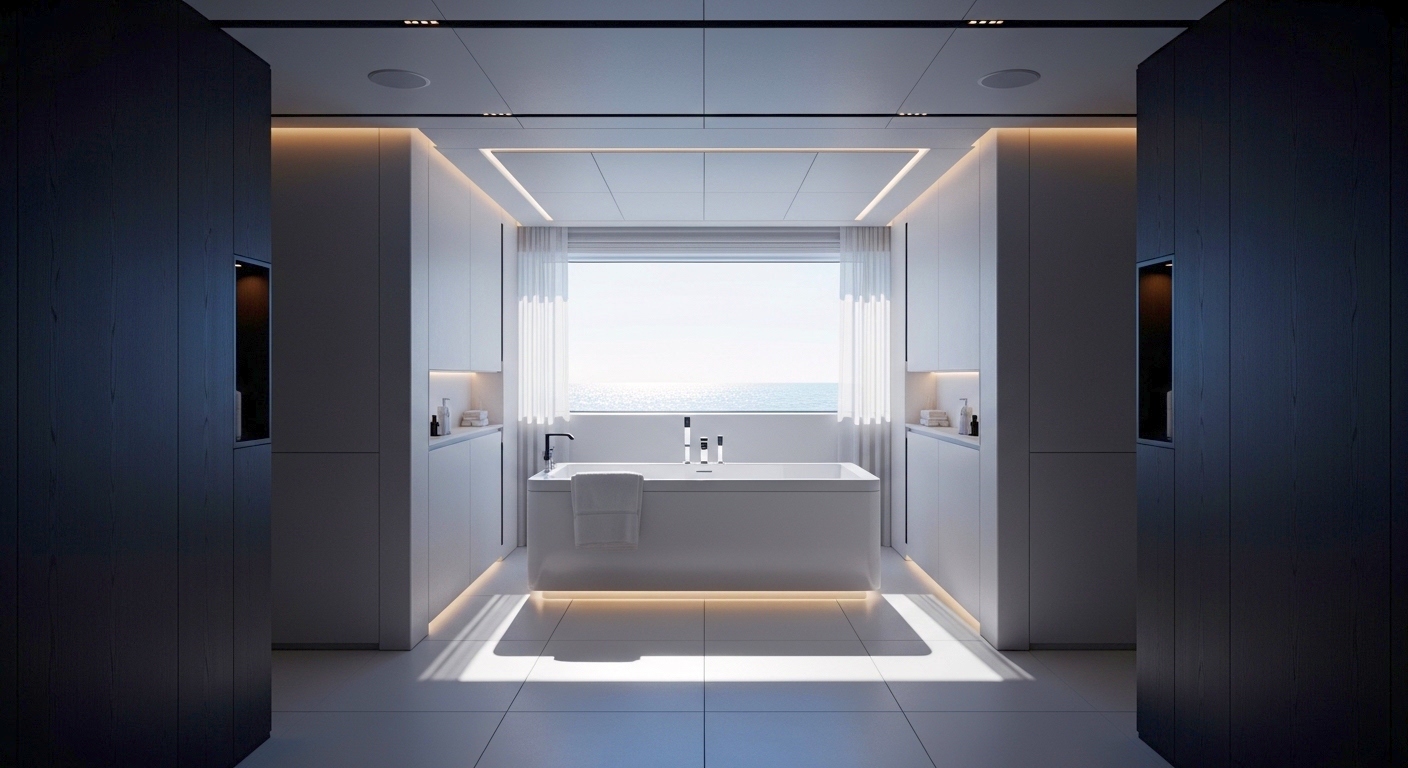
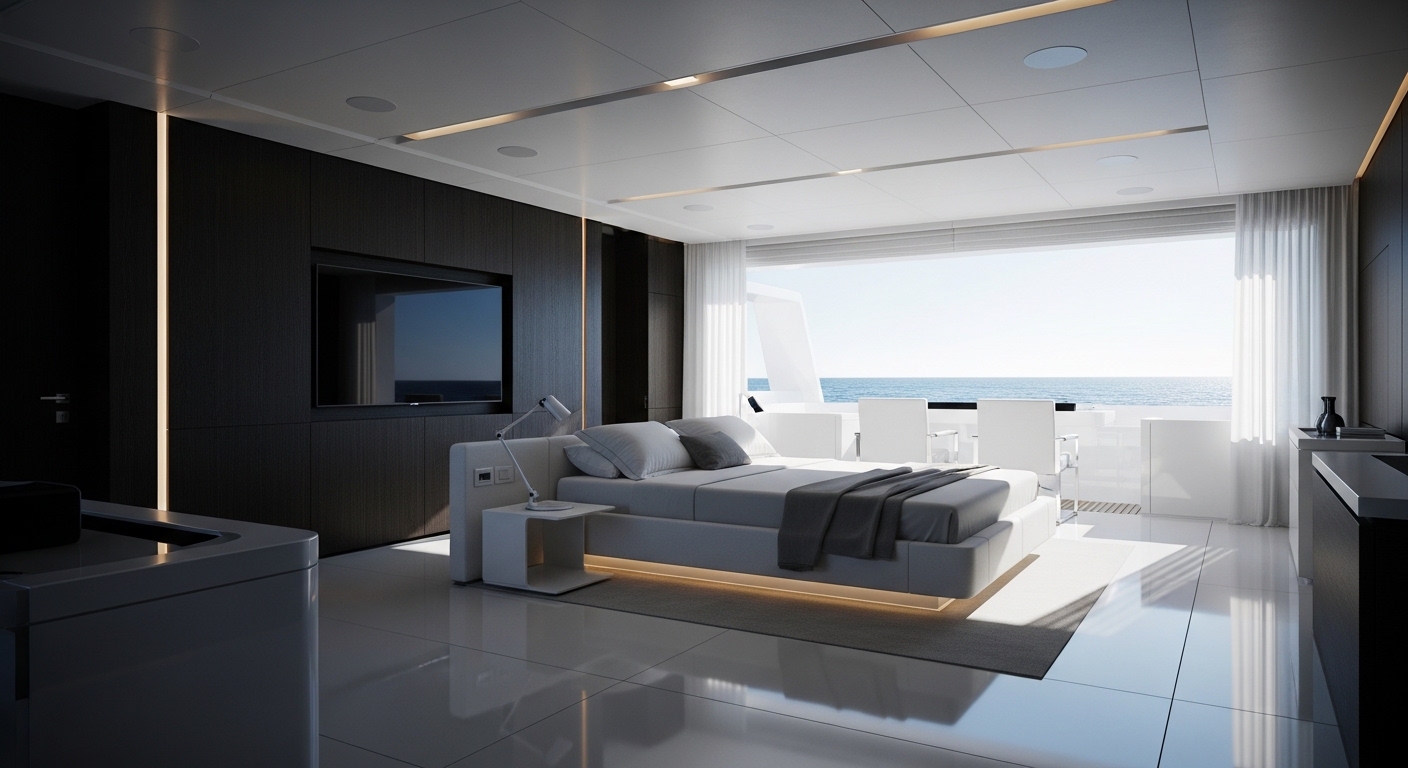
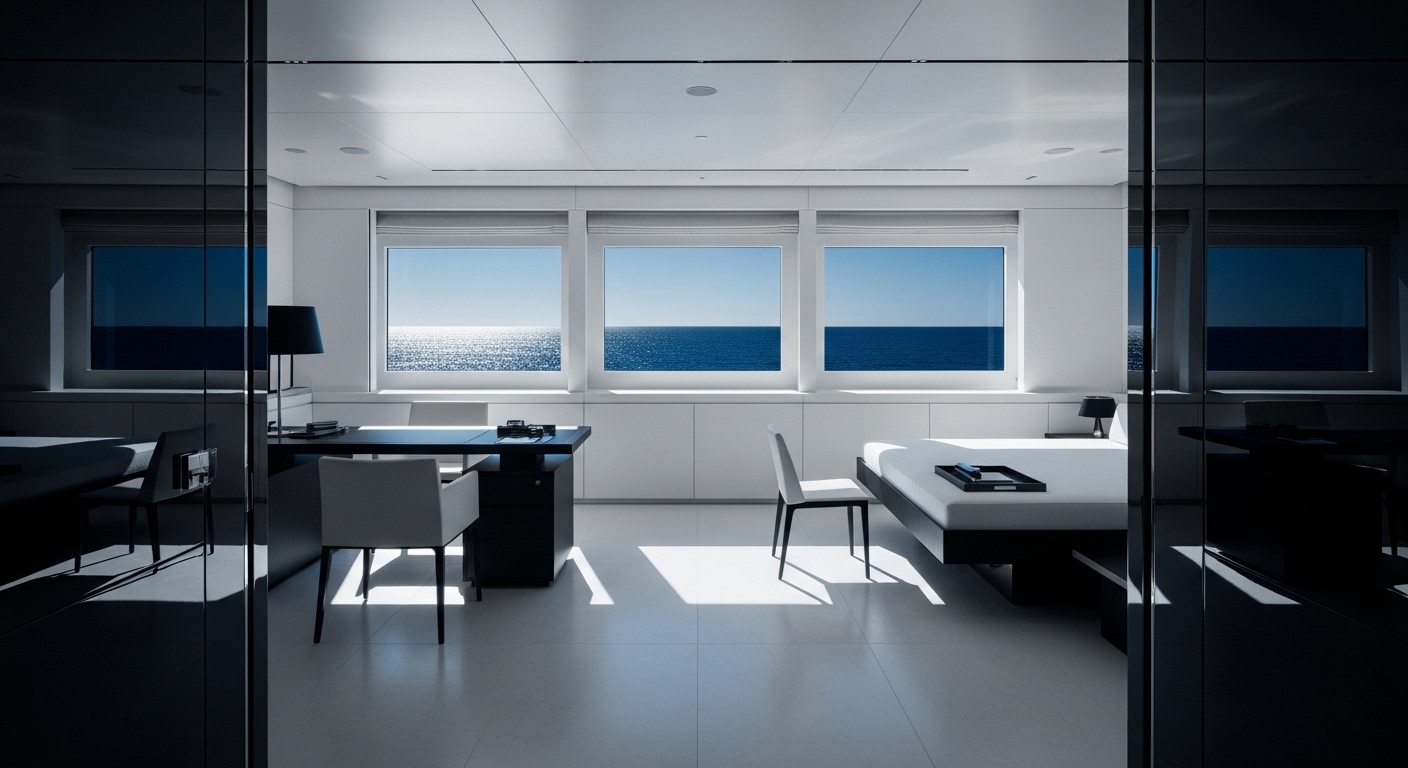
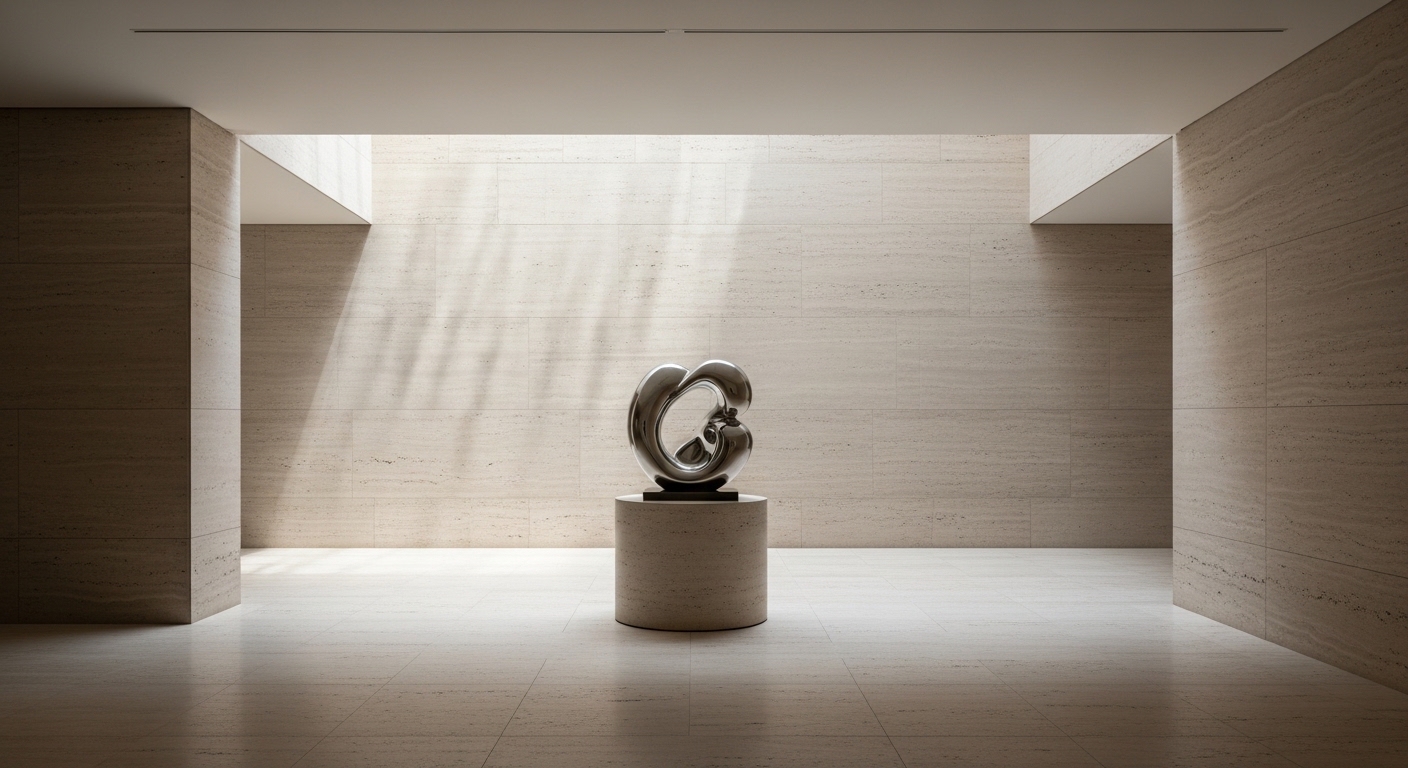
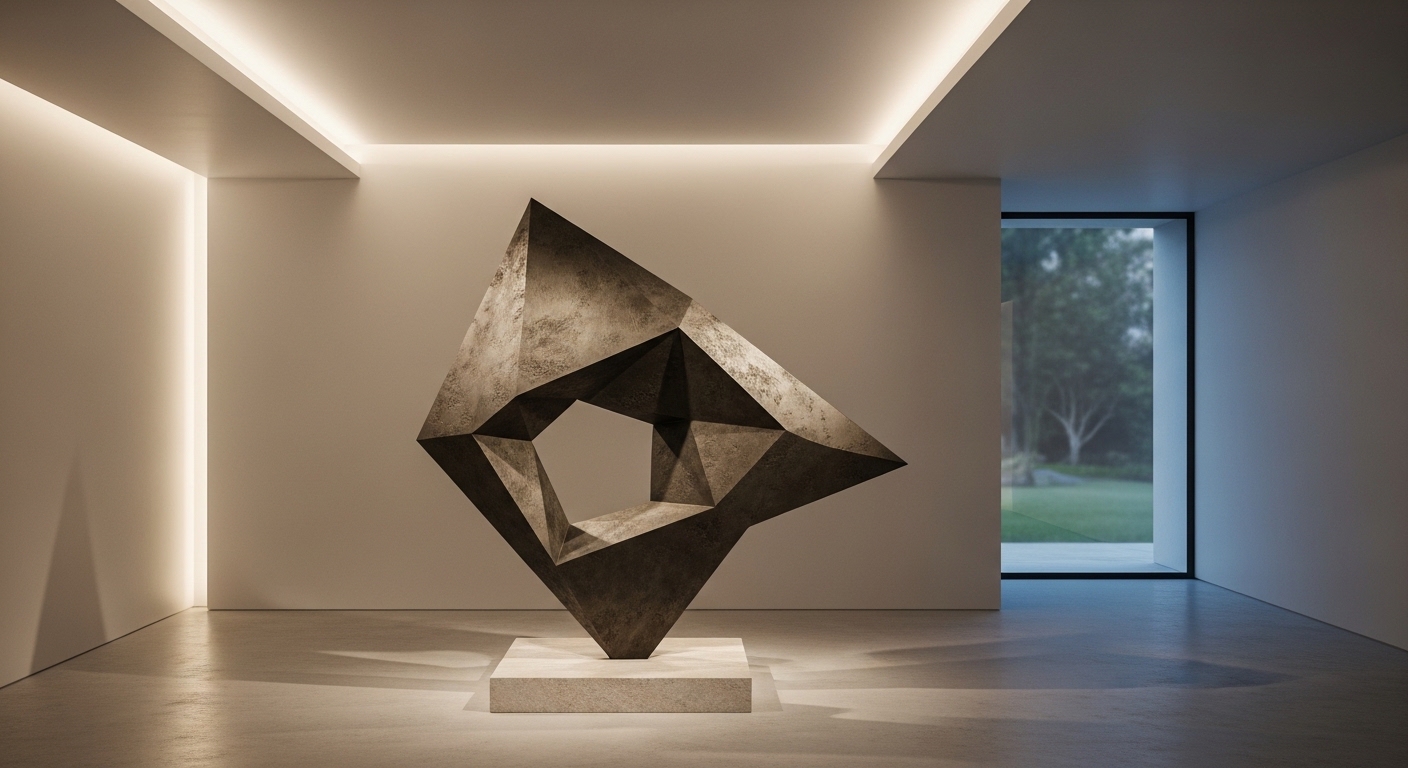
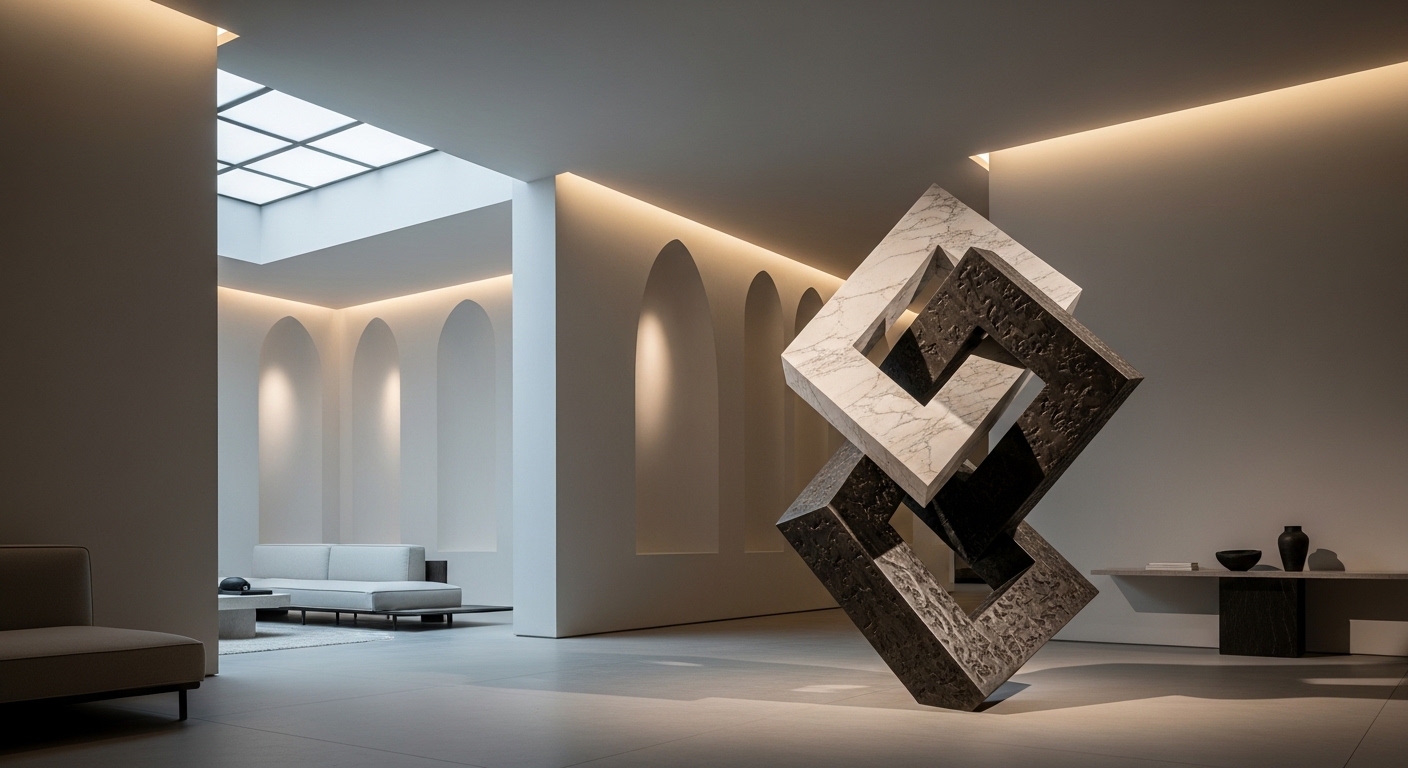
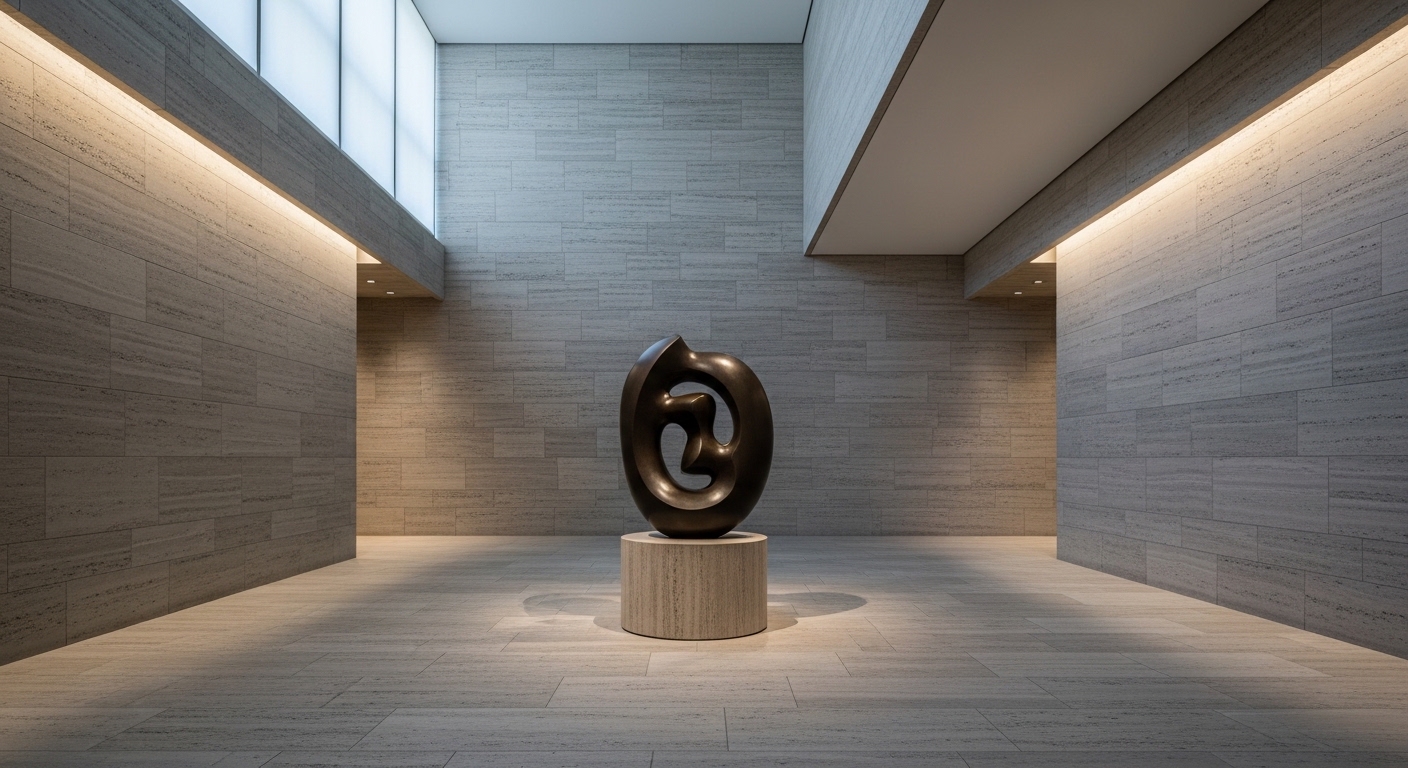
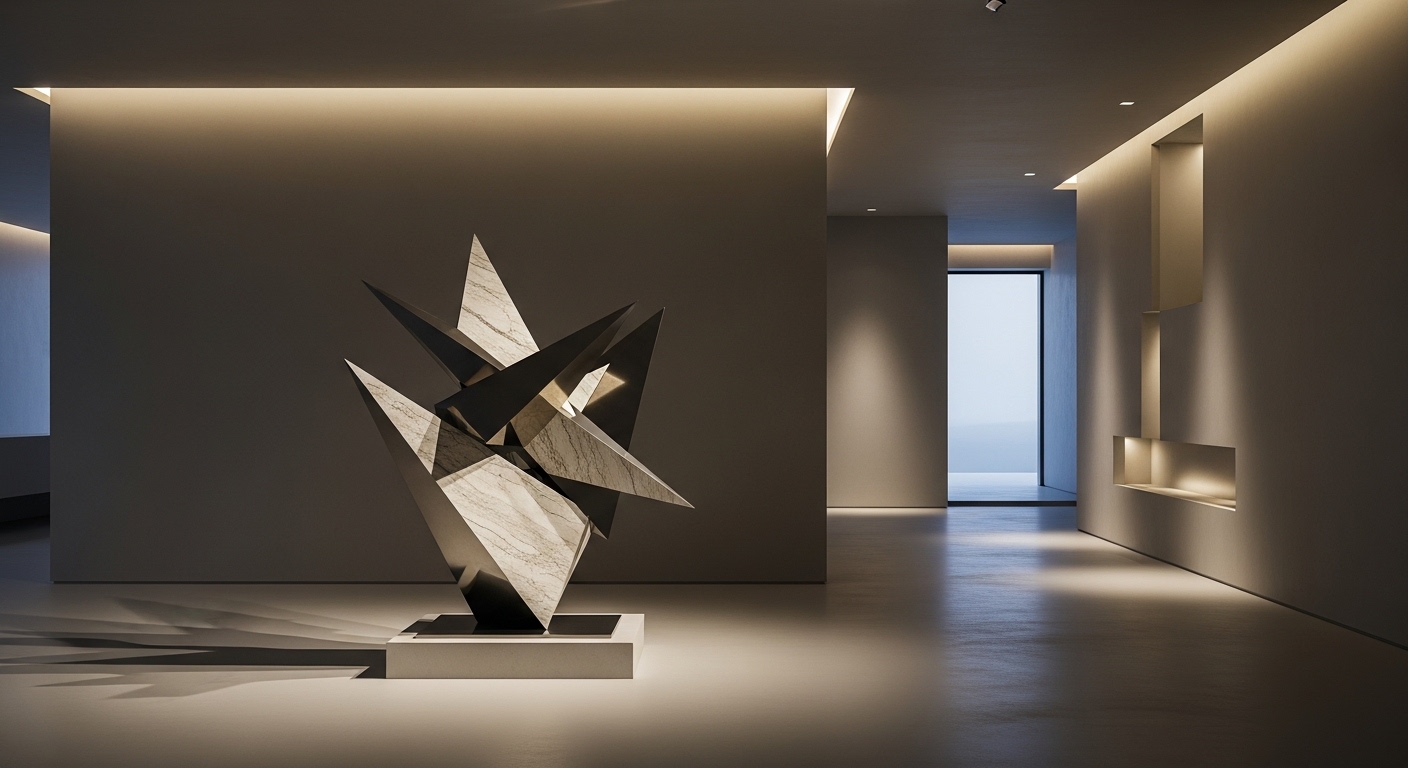
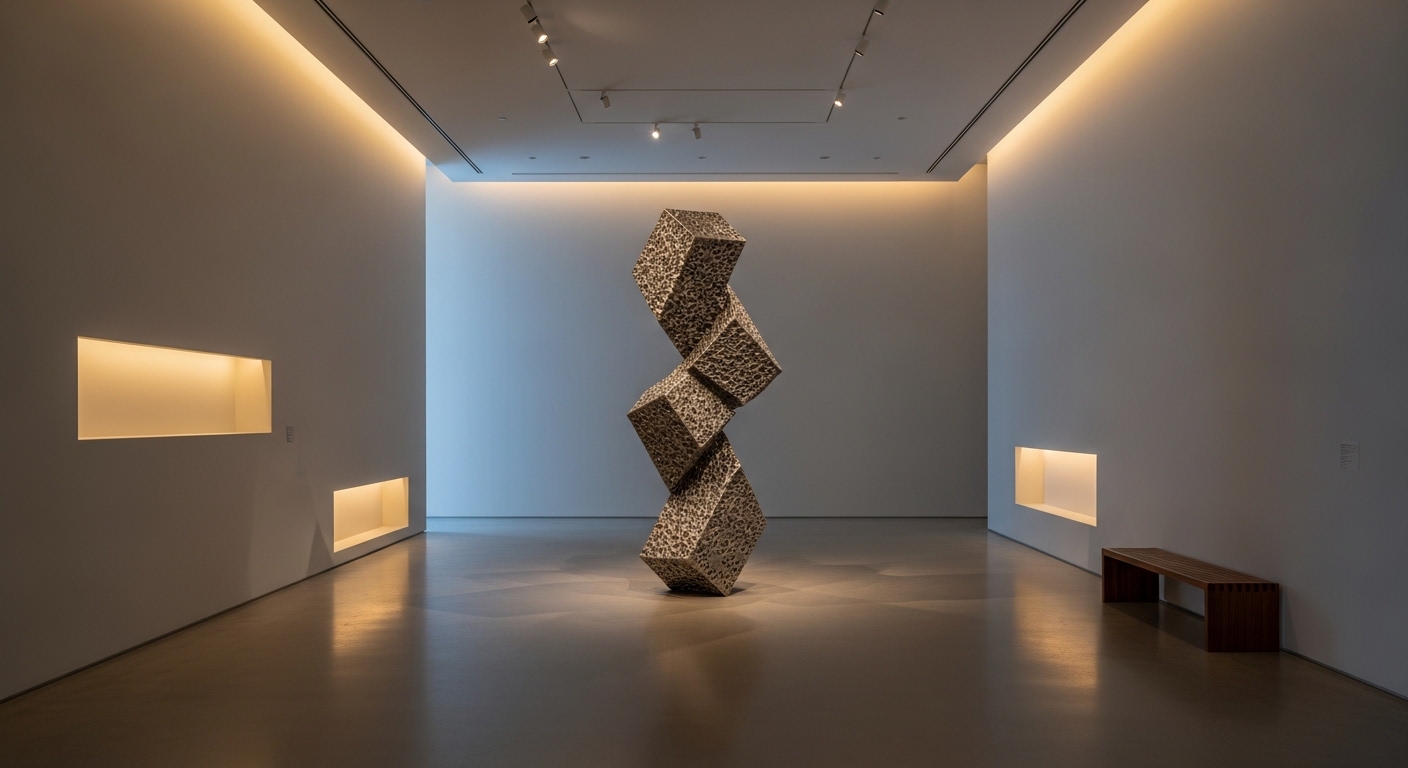
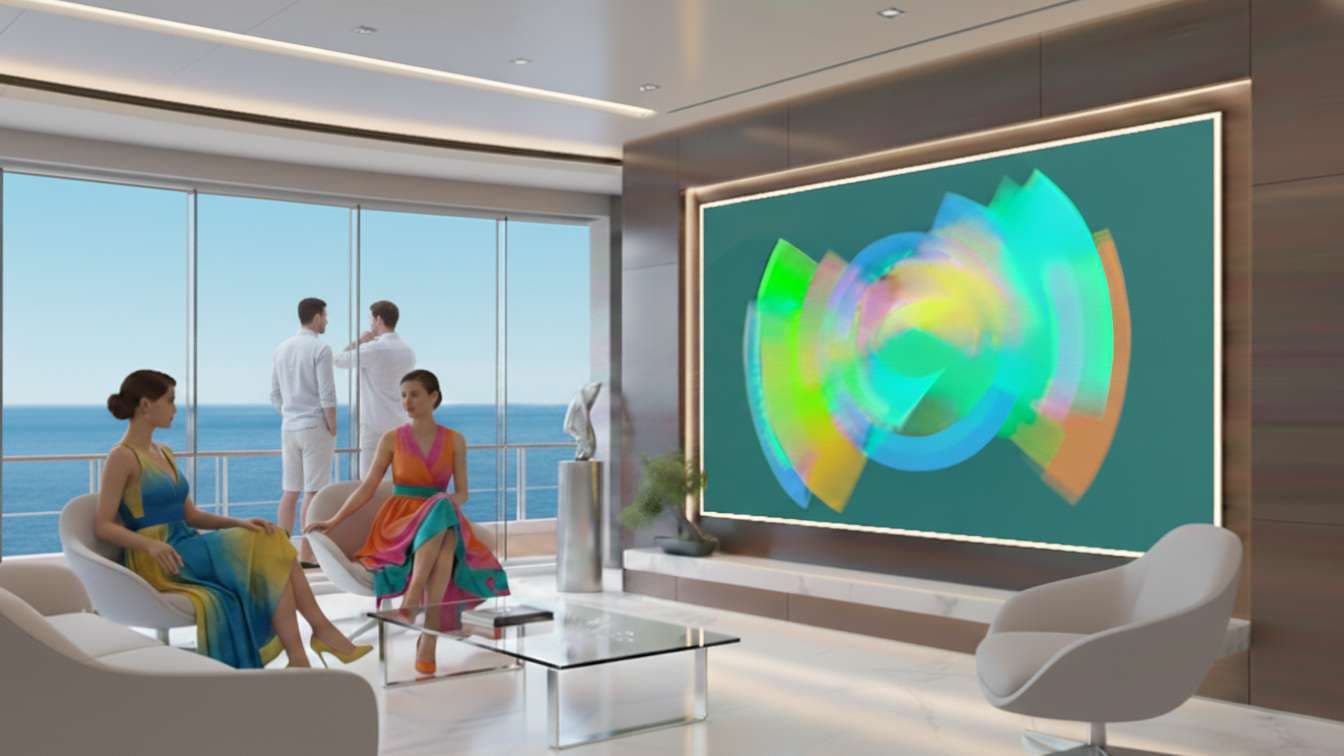
The interior architecture of the Greek Island Prototype translates Cycladic spatial qualities into contemporary cruise environments. The following images, drawn from the Project 226 interior registers, illustrate the experiential logic: luminous, sculptural, calm, and human-scaled.

Warm Mediterranean Register

A tactile, luminous environment grounded in European hospitality. Dining rooms, lounges and social spaces are calibrated for conversation, ceremony and long stays, with warm materiality and controlled lighting.


Mediterranean Dining 1 Mediterranean Dining 2 Mediterranean Dining 3 Mediterranean Lounge 1 Mediterranean Lounge 2

Monochrome Register

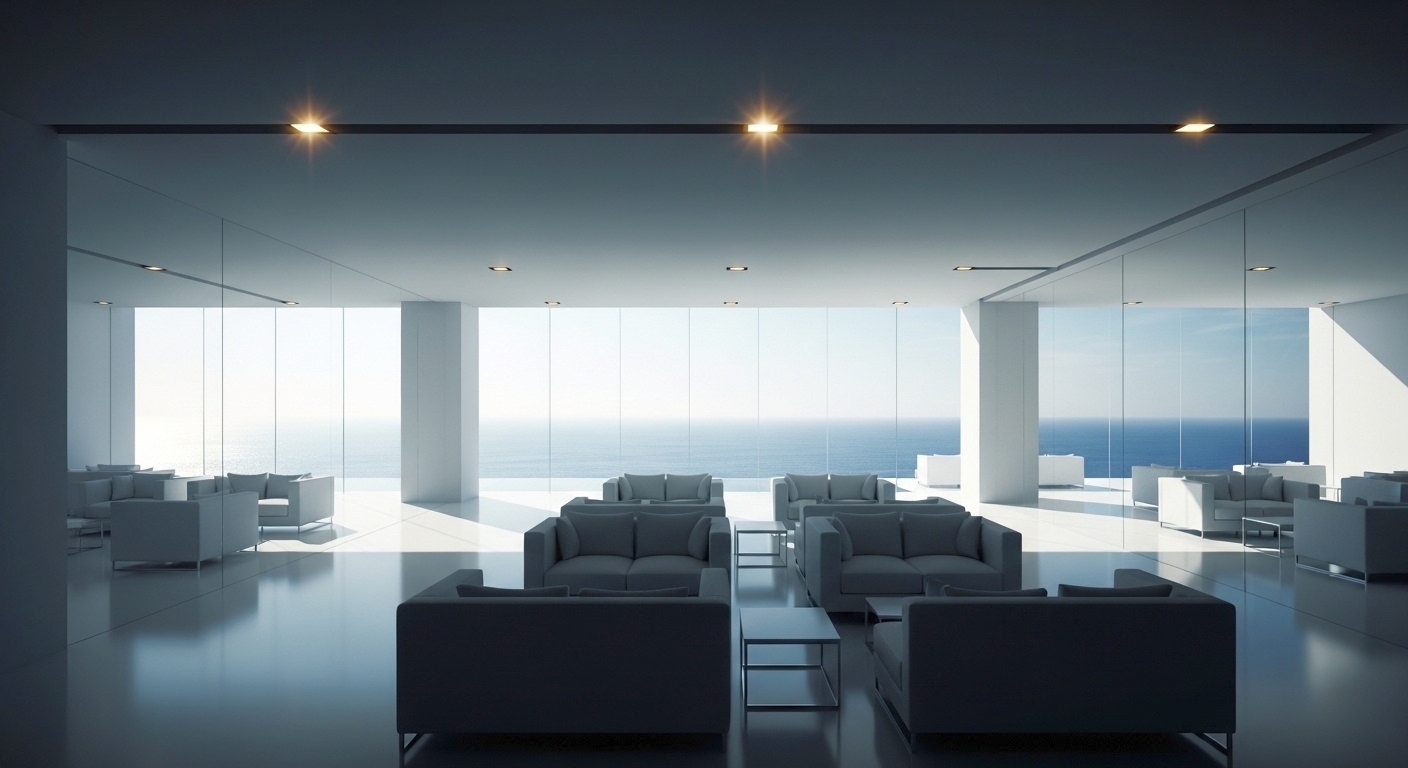
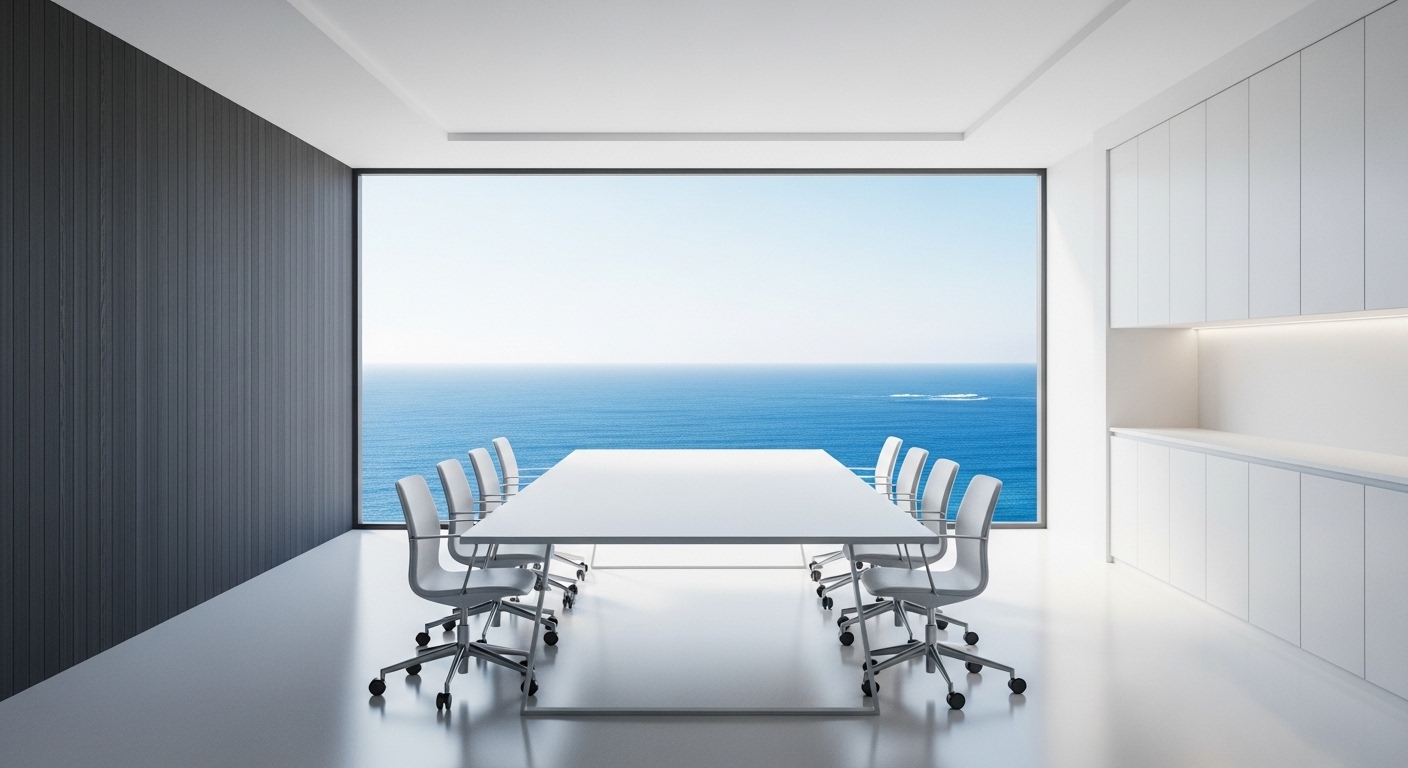
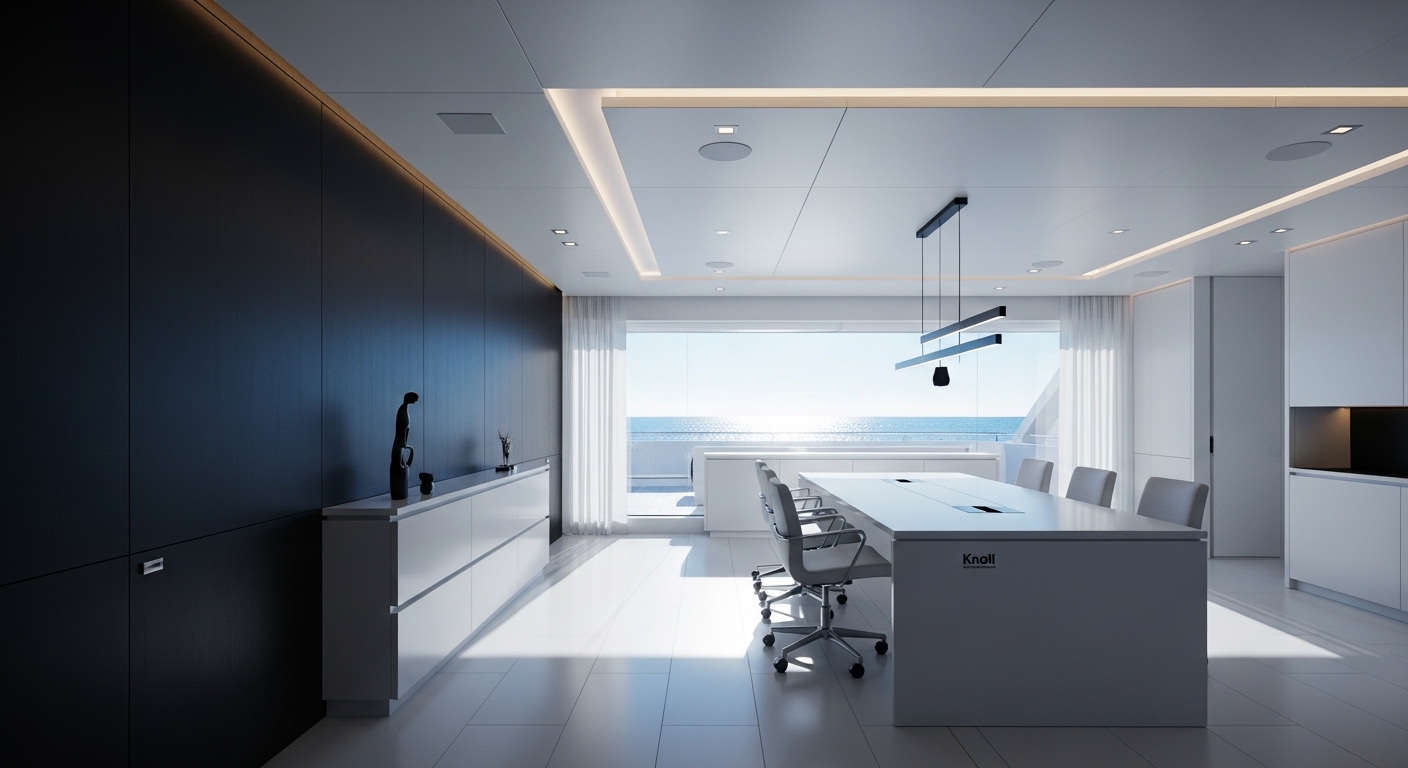
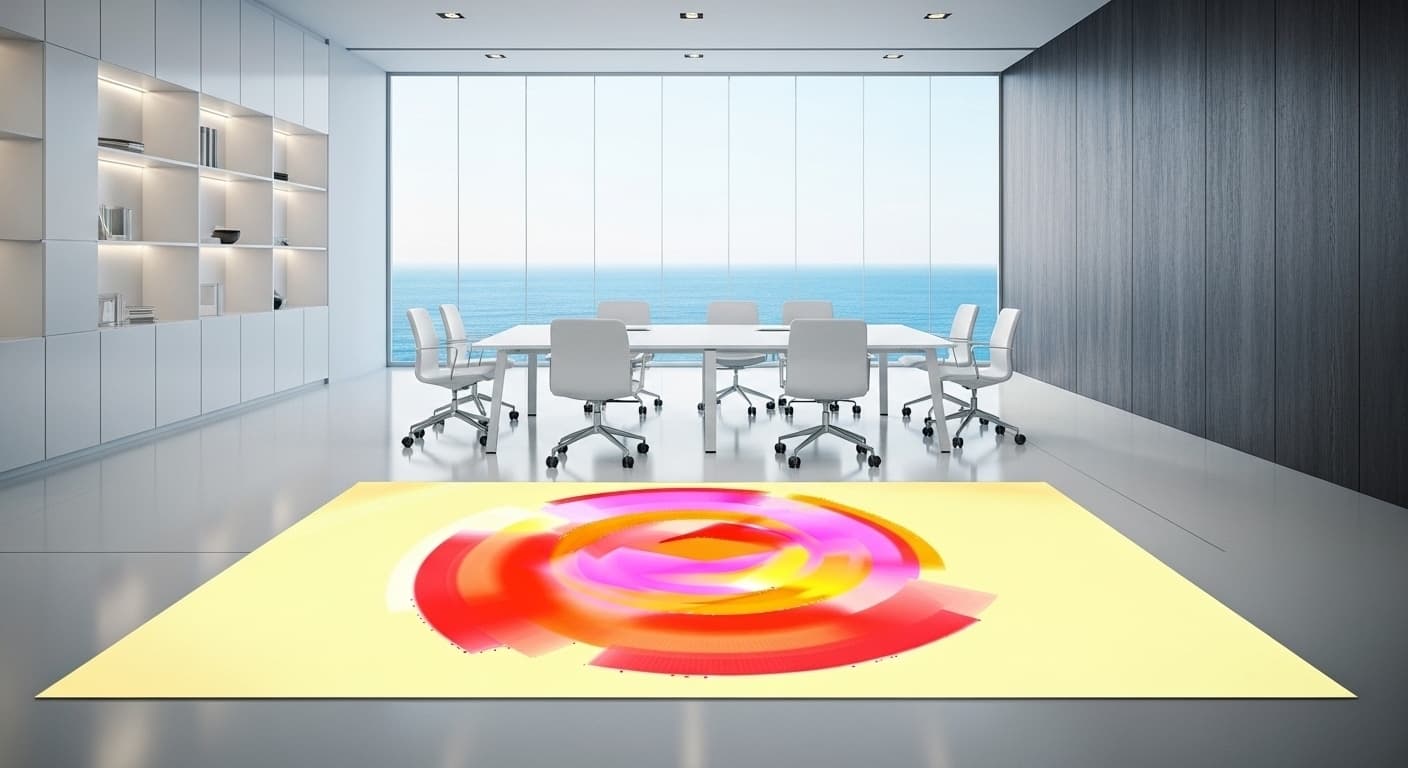
A graphic, distilled environment defined by clarity, contrast and architectural precision. This register supports contemporary dining, executive hosting and cultural programming within the same spatial geometry.

Monochrome Dining 2 Monochrome Dining 3 Monochrome Lounge 1 Executive Meeting Room Executive Office


Residential Architecture — Long Stay Mediterranean Living

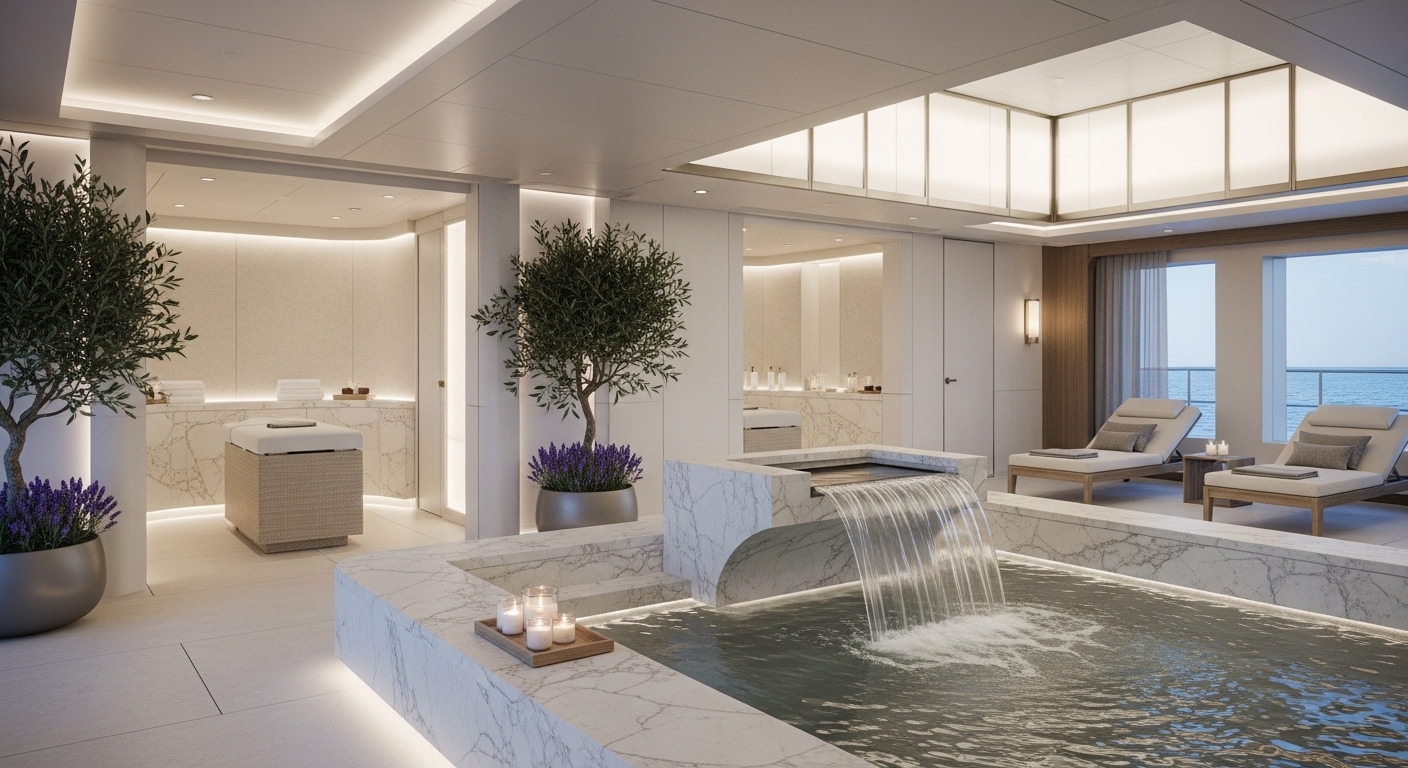
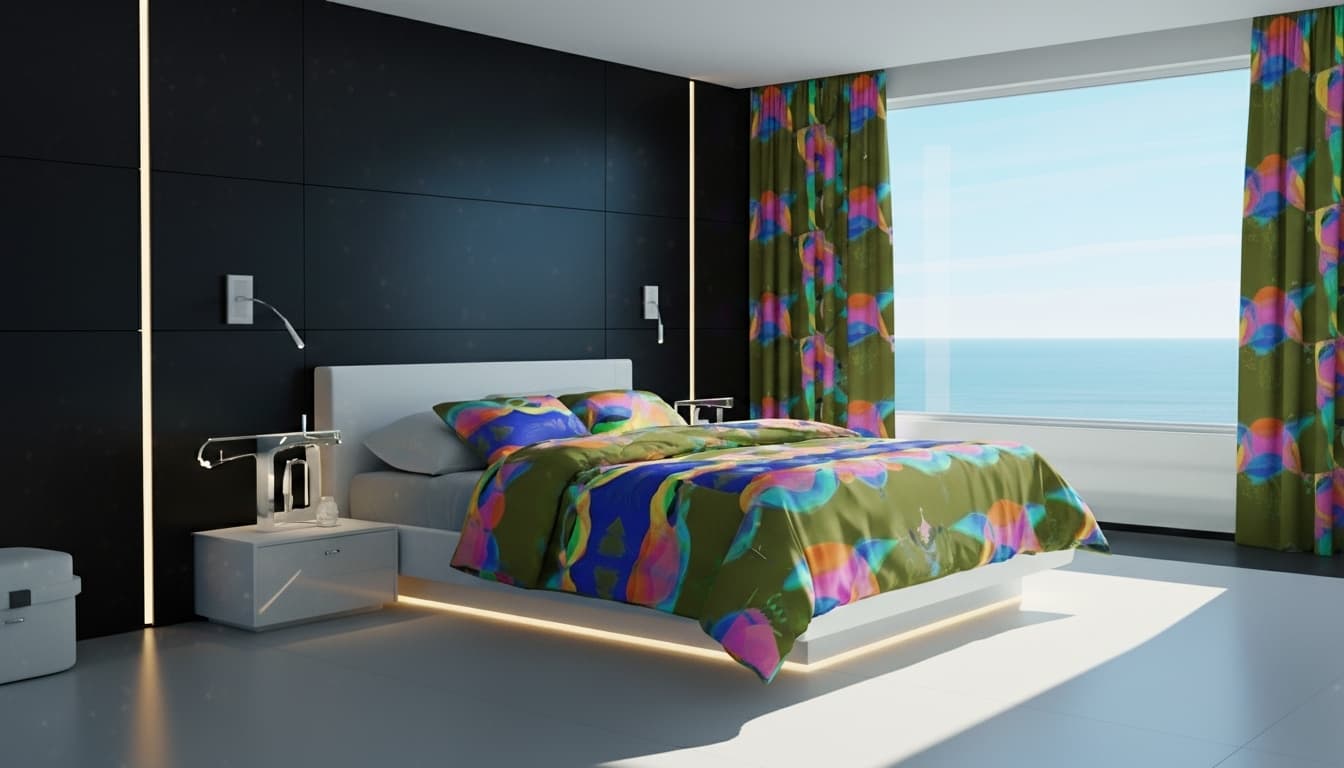
Suites and private domains are designed as sovereign interior territories, aligned with the idea of living in a village rather than staying in a hotel. Materiality, light and proportion support long stays, privacy and a sense of belonging.

Spa Environment Owner Suite

Monochrome Residential Register


A distilled, graphic environment for contemporary Mediterranean living. High contrast composition and controlled lighting define a residential experience aligned with modern cultural and executive lifestyles.

Monochrome Bathroom Monochrome Bedroom 1 Monochrome Bedroom 3


Circulation & Transitional Architecture — Streets of the Ship

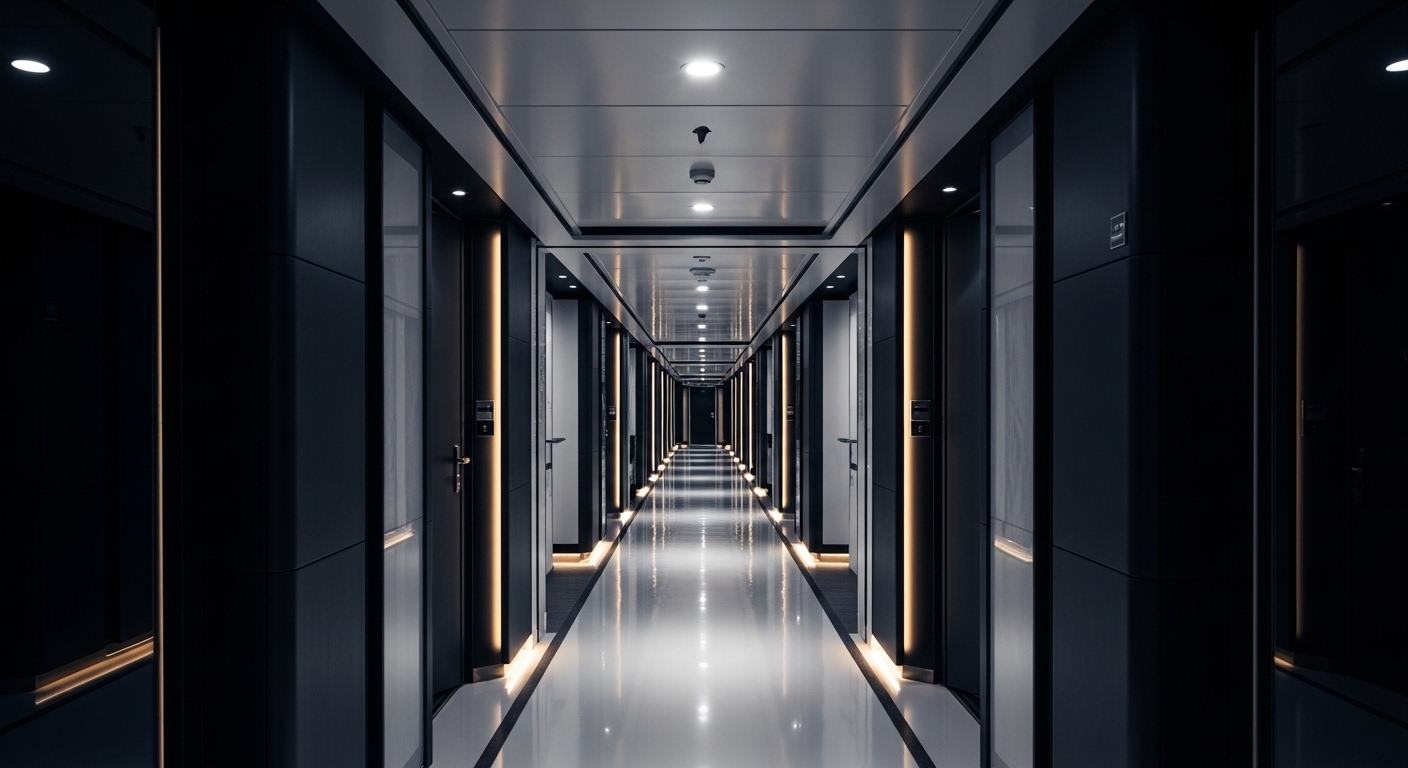
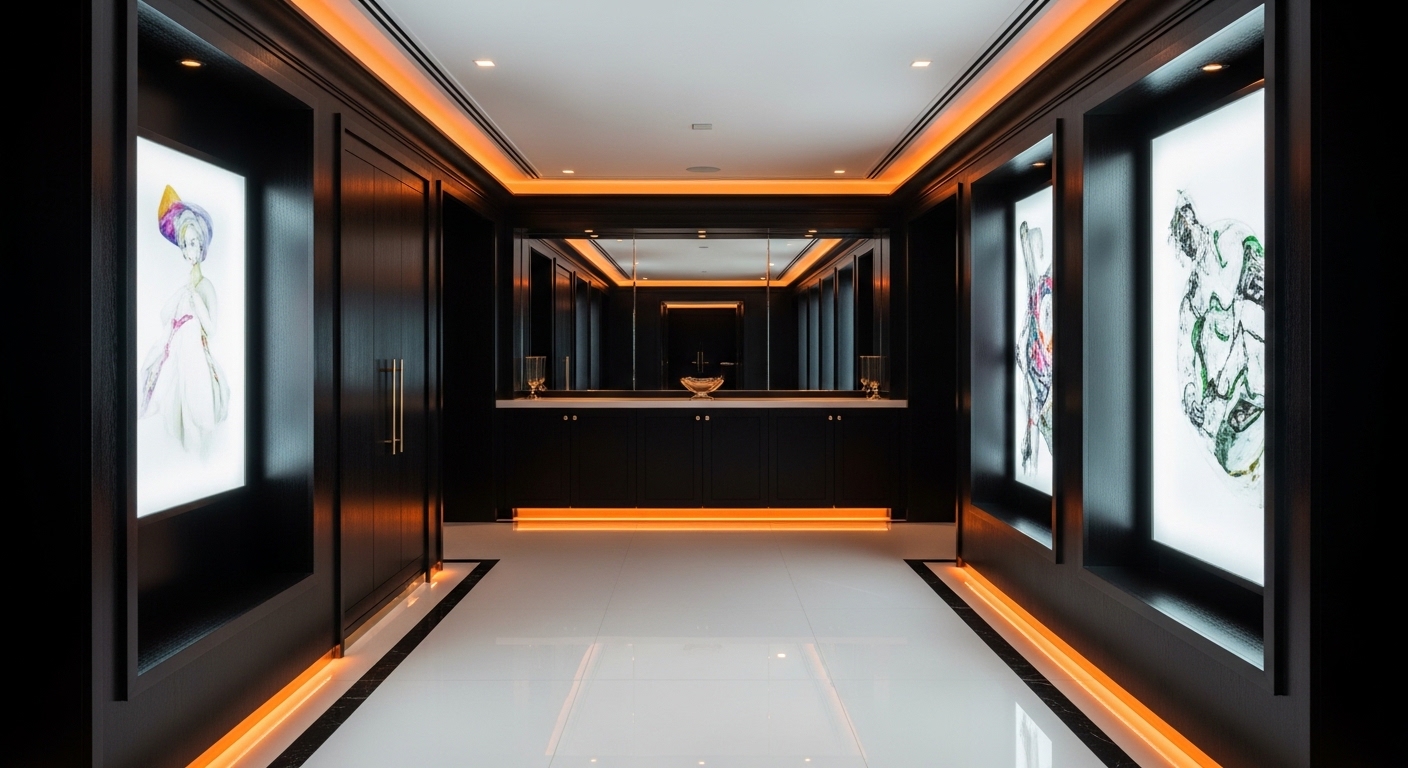
Circulation and transitional zones are treated as the streets and passages of the village. They are not secondary corridors but curated environments where light, proportion and art establish continuity between squares, terraces, residential domains and open decks.

Sculptural Corridor 1 Sculptural Corridor 2 Sculptural Corridor 3 Sculptural Corridor 4 Sculptural Corridor 5 Sculptural Corridor 6
Monochrome Corridor 2 Monochrome Corridor 4


Application to Large Cruise Vessels

The Greek Island Prototype is not tied to a single hull or shipyard. It is a cultural and spatial model that can be adapted to different sizes, classes and technical envelopes. It can be implemented as a full-ship concept or as a major district within a larger vessel.

Its purpose is clear: to offer a ship that feels immediately human, legible and emotionally grounded—a moving village at sea that carries Mediterranean identity as a structural reality, not as a surface theme.

Executive Acquisition & Shipyard Collaboration

The full conceptual dossier for the Greek Island Prototype is available for executive and shipyard review. It includes the architectural framework, Cycladic doctrine, interior and exterior logic, and adaptation pathways for large cruise vessels across multiple shipyards.

REQUEST THE GREEK ISLAND PROTOTYPE DOSSIER