
1.1. The erosion of differentiation
Across the global ultra luxury landscape, a profound structural collapse has taken place: differentiation has evaporated. Hotels, superyachts, marinas, cruise ships, residences, and aviation lounges have reached extraordinary levels of technical execution, yet they increasingly resemble one another. Spaces are beautiful but interchangeable, flawless but forgettable, impressive but emotionally silent. The guest moves from one luxury environment to another without encountering a shift in meaning, atmosphere, or identity. The industry has perfected everything except the one element that defines true luxury: the emotional and cultural intelligence of the space.
1.2. The rise of visual uniformity
Visual uniformity has become the global grammar of luxury. Marble, brass, neutral palettes, sculptural lighting, curated minimalism — once markers of refinement, now clichés. These elements communicate status but not identity, comfort but not memory. Standardization ensures efficiency but erases specificity. A hotel in Dubai resembles a hotel in London. A superyacht resembles a residence. A marina lounge resembles an airport lounge. The industry has become a closed loop of self referential aesthetics, endlessly repeating itself.
1.3. The limits of design and engineering
Design and engineering have reached their limits as differentiators. They are necessary but no longer sufficient. Every major operator can deliver exceptional design. Every shipyard can deliver flawless engineering. Every developer can deliver premium materials. These are baseline expectations, not competitive advantages. The true differentiator — the force that creates emotional resonance, guest loyalty, and long term asset value — is cultural intelligence: the ability of a space to express meaning, narrative, and identity, to create an atmosphere that cannot be replicated or standardized, to transform a space from a functional environment into a world.
1.4. The emotional vacuum
Emotion is the true currency of luxury, yet it is the element most neglected by the industry. Guests do not remember the stitching of a sofa or the thickness of a marble slab. They remember how a space made them feel — the calm of a lobby, the intimacy of a suite, the expansiveness of a deck, the quiet gravity of a lounge. Spaces are engineered to perfection but emotionally uncalibrated. They function, but they do not resonate. They impress, but they do not transform. This emotional vacuum is the direct result of environments that lack narrative, symbolic identity, and authored intention.
1.5. The symbolic collapse
Symbols — the engines of meaning — have been replaced by trends. Meaning has been replaced by styling. Identity has been replaced by branding. Narrative has been replaced by marketing. Without symbolic intelligence, luxury becomes a hollow shell: expensive, but empty. The collapse of symbolic identity is the collapse of emotional coherence, and with it, the collapse of value.
1.6. The economic consequence
The collapse of luxury is not only cultural; it is financial. When environments lose identity, emotional resonance, symbolic coherence, and narrative depth, they also lose pricing power, differentiation, loyalty, asset value, and long term cultural capital. The market responds with more branding, more campaigns, more noise — but the underlying emptiness remains. Luxury without meaning becomes a commodity.
1.7. The necessity of a Cultural Operating System
Ultra luxury cannot be saved by design. It can only be saved by culture. Luxury needs a symbolic engine, an emotional architecture, a narrative system, a constellation logic, and an economic model based on meaning. It needs a structural intelligence capable of governing identity, atmosphere, symbolism, narrative, and experience simultaneously. It needs a Cultural Operating System — a system that transforms strategy into experience and experience into value, restoring authorship, coherence, and emotional gravity to environments that have become visually perfect but culturally empty.
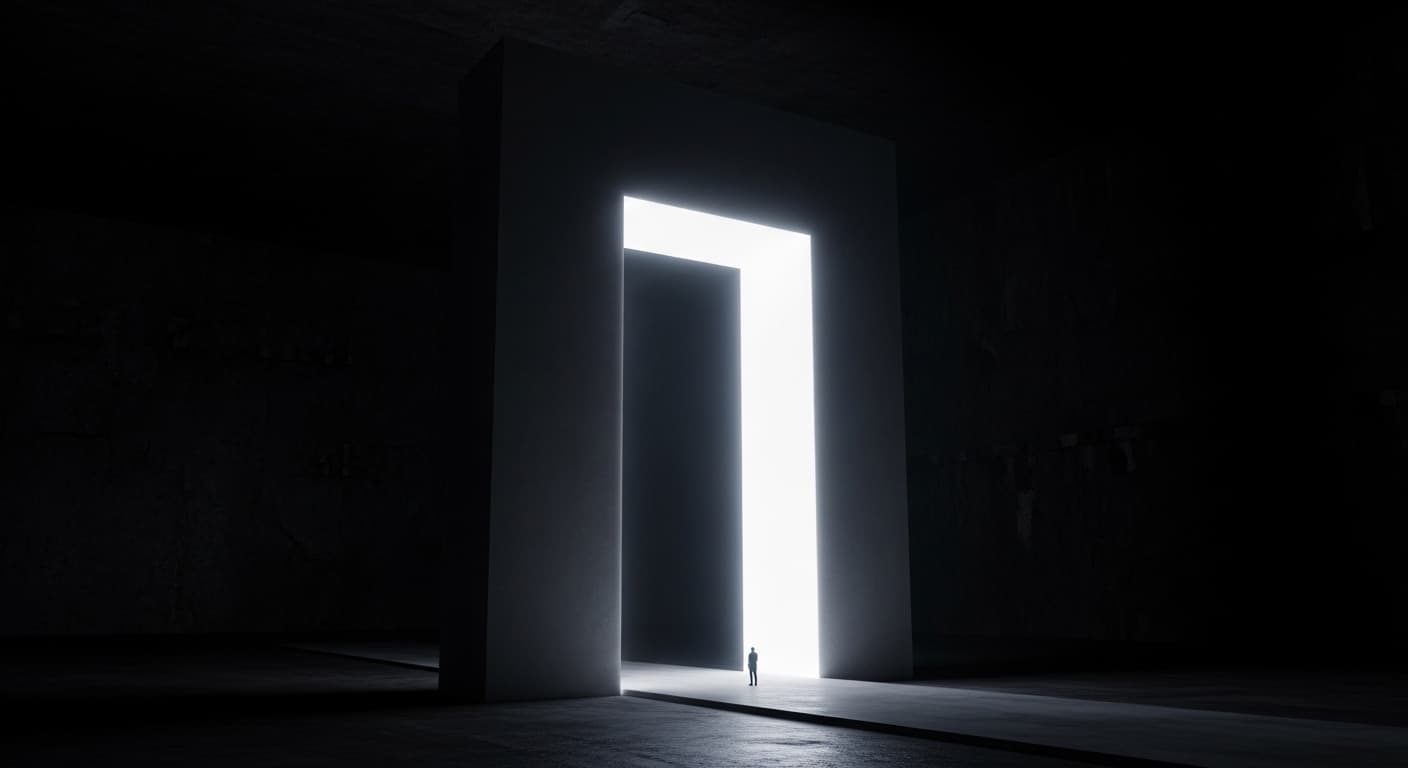
1.8. The threshold
This chapter marks the threshold. It is the moment where the old model collapses and a new one becomes possible. The collapse of luxury is not a tragedy; it is an opening. It creates the space in which a new cultural operating system can emerge — one that does not imitate but authors, one that does not decorate but constructs meaning, one that does not follow categories but creates worlds. The MSF V3.0 begins here, at the point where the industry’s exhaustion becomes the foundation for its reinvention.
Chapter 1 establishes the problem. Chapter 2 introduces the solution: Culture as Infrastructure — the structural scaffolding of identity and meaning.