
CRUISE2CITY™
The port-city visitor as an additional voice in understanding public space. A proposed participatory research pathway connecting cruise passengers, superyacht visitors, port communities and local authorities.
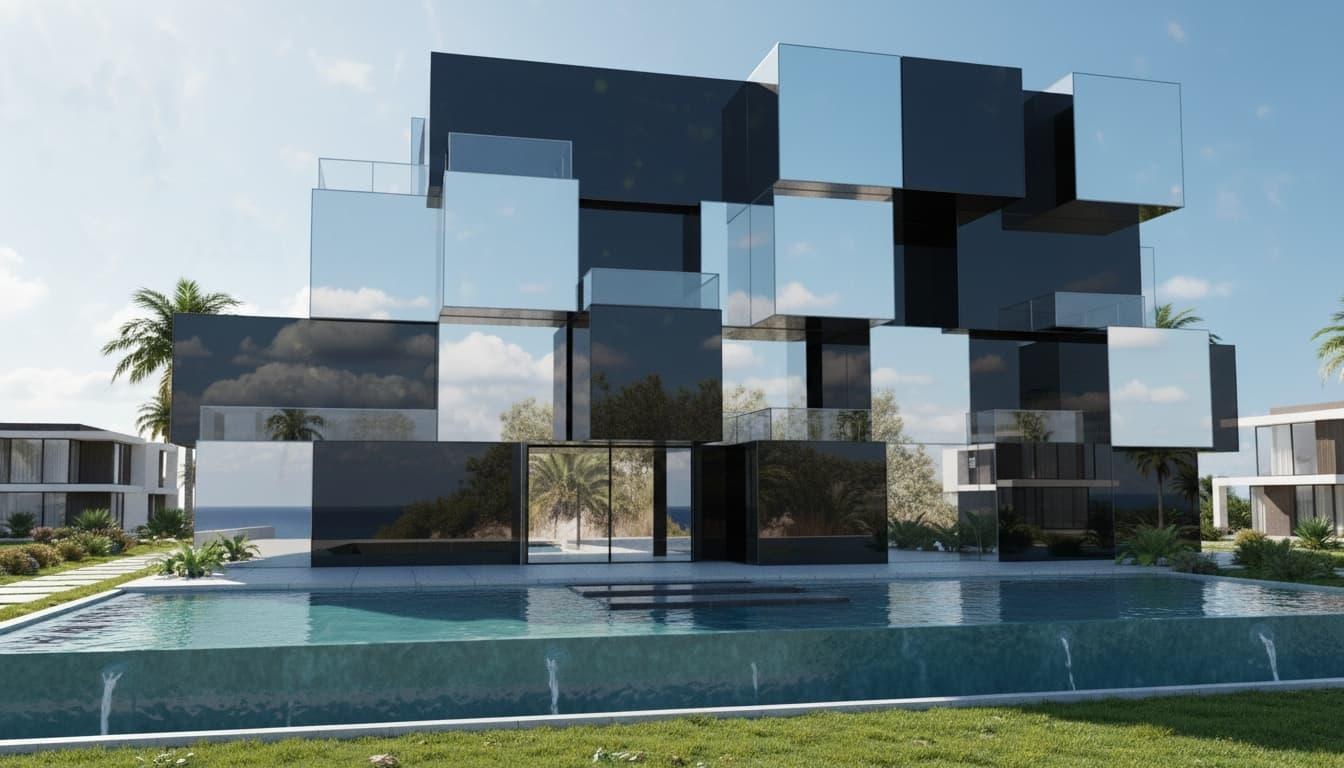
From Arrival to Spatial Understanding.
Cruise and superyacht passengers encounter ports, waterfronts, streets, neighbourhoods and small settlements through a concentrated visitor experience. CRUISE2CITY™ explores how their perspectives could complement—not replace—the lived experience of local inhabitants in participatory spatial research.
Local Residents
Primary neighbourhood users, community knowledge, daily accessibility, safety, belonging and environmental priorities.
Art Clubs and Local Associations
Organised citizen communities able to connect locally, participate in discussion and help mobilise municipal relationships.
Maritime Visitors
Supplementary observations of arrival, movement, wayfinding, waterfront accessibility, multisensory experience and perceptions of public space.
One Port Encounter. Three Perspectives.
Before Arrival
Identify a cooperating municipality and maritime operator, permissible research sites, ethical and data-protection requirements and an appropriate sampling method.
During the Visit
With consent, explore routes, orientation, comfort, shade, access, safety, wayfinding and the aesthetics and soundscape of public space. No operator or passenger involvement is asserted as secured.
After the Visit
Compare voluntary visitor observations with residents' perspectives and established local needs; develop public-space design insights and independently review bias and representativeness.
No passenger data collection is authorised or underway through this page. A study requires operator cooperation, local institutional governance and valid privacy/ethics arrangements.
Who We Invite. What We Request.
Cruise Lines, Superyacht Operators and Marinas
Discuss a possible research collaboration: passenger or guest engagement permissions, operational feasibility, communication channels, port network contacts and named responsible staff. Commercial vessels remain operating environments—not automatically eligible neighbourhood demonstrators.
Municipalities, Universities and Community Partners
Identify relevant public-space environments, local community channels, SSH research design, evaluation, accessibility expertise, and governance for participatory spatial research.
Commissioned Waterfront and Spatial Intelligence.
Independently of EU funding, ports, marina groups, cruise lines, architectural practices and municipalities may commission EURAN for authored spatial intelligence, art-to-architecture direction and waterfront identity under its established commercial terms.
Initial written screening is without fee; substantive work proceeds only under a paid Appointment. No European grant, partner budget or research participation is guaranteed.